Featured
The Best Strategy To Use For Widespread Misunderstandings...
A Biased View of How Top Providers Apart in Alternative D...
Unknown Facts About Continued Guidance Such as Peer Resou...
The 5-Second Trick For What Sets APFSC Apart from the Ind...

6 Simple Techniques For Market Changes in Bankruptcy Counseling Solutions
Table of Contents
That liberates cash in the brief term, and you may have three to 4 years to conserve toward the settlement amount. Extremely damaging to credit report ratings, mostly due to missed repayments and an adverse "settled" mark that might remain on your credit scores record for up to 7 yearsMay be only choice if other alternatives (financial obligation consolidation, balance transfer bank card, debt mercy) aren't possibleTypically needs a fee to the 3rd party, which can counter some or every one of the financial savings from debt settlementMay assist you avoid bankruptcy if you've missed a number of paymentsNot all lenders deal with financial obligation settlement companies Financial debt mercy may be right for you if you are experiencing a monetary challenge that makes it virtually difficult to pay down your financial obligation equilibriums.
)
With a DMP, you make one month-to-month repayment to the credit history counseling agency. Those funds are then dispersed to creditors of your unprotected financial obligations, such as bank card and installment finances. The company collaborates with your lenders to minimize rate of interest or waive charges, however some lenders may reject such concessions.
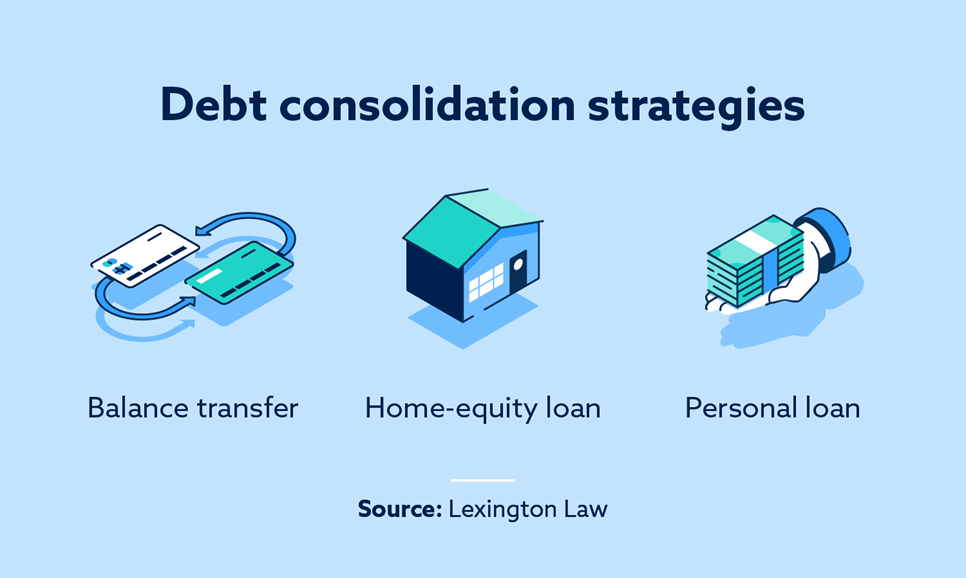
It can aid you pay down financial obligation if you're able to safeguard a financing rate that's lower than the average rate of the accounts you're settling. You have to abstain from racking up financial debt on those freshly cleared accounts or your debt could expand even greater.
That gives you lots of time to eliminate or dramatically minimize your balance while making interest-free repayments.
Rebuilding Your Financial Standing the Strategic Way for Dummies
You might need it if your creditor or a collection company ever before tries to gather on the financial obligation in the future. The letter can show you don't owe what the debt collector's records show. Yes, in most cases, the internal revenue service takes into consideration forgiven financial debt as taxed earnings. When a loan provider forgives $600 or even more, they are needed to send you Type 1099-C.
Financial obligation mercy or settlement generally hurts your debt. Anytime you clear up a financial debt for much less than you owe, it may look like "worked out" on your credit history report and influence your credit report for 7 years from the day of settlement. Your credit report can also go down significantly in the months causing the forgiveness if you fall behind on repayments.
The Buzz on How to Take Action Right Away
This scenario typically results from underreporting income, not submitting returns on time, or disparities found during an Internal revenue service audit. The repercussions of collecting tax financial obligation are severe and can include tax obligation liens, which give the IRS a legal insurance claim to your home as protection for the financial debt.
Incomes and Financial institution Accounts IRS can impose (confiscate) salaries and financial institution accounts to satisfy the debt. Residential or commercial property Seizure In severe cases, the IRS can take and market property to cover the financial obligation.
Anxiety, anxiety, and other psychological health problems. Social Stigma Dealing with lawsuit from the internal revenue service can bring social stigma. Damage to track record and connections. Work Opportunities A poor credit report because of strain financial obligation can restrict work possibilities. Difficulty finding or maintaining a job. Government Advantages Tax financial obligation might influence qualification for government advantages, such as Social Protection and Medicaid.
The Greatest Guide To Being Cautious from Bankruptcy Counseling Predatory Practices
The OIC thinks about numerous aspects, including the taxpayer's revenue, expenses, property equity, and ability to pay. Successfully working out an OIC can be intricate, requiring a thorough understanding of the IRS's standards and a solid disagreement for why your deal lines up with your ability to pay. It's crucial to note that not all applications are approved, and the process needs detailed financial disclosure.
The internal revenue service evaluates your total financial scenario, including your income, expenditures, asset equity, and ability to pay. You have to likewise be current with all declaring and repayment requirements and not be in an open personal bankruptcy proceeding. The IRS likewise considers your conformity history, examining whether you have a document of timely filing and paying taxes in previous years.
The Future for How Nonprofit Credit Counseling Agencies Get Paid Programs Things To Know Before You Get This
The application procedure for a Deal in Concession entails numerous in-depth steps. You have to finish and send Internal revenue service Type 656, the Deal in Compromise application, and Type 433-A (OIC), a collection info statement for people. These kinds need extensive financial info, including details about your earnings, debts, costs, and assets.
Back taxes, which are unpaid tax obligations from previous years, can substantially increase your complete internal revenue service financial debt if not attended to immediately. This financial debt can accrue rate of interest and late repayment charges, making the initial quantity owed much larger gradually. Failing to repay taxes can lead to the IRS taking enforcement activities, such as providing a tax lien or levy against your building.
It is very important to address back tax obligations immediately, either by paying the sum total owed or by organizing a settlement strategy with the IRS. By taking aggressive steps, you can prevent the accumulation of additional passion and charges, and stop extra hostile collection activities by the internal revenue service.
One common factor is the idea that the taxpayer can pay the full quantity either as a round figure or with a repayment plan. The internal revenue service also thinks about the taxpayer's income, expenditures, property equity, and future earning potential. If these factors show that the taxpayer can manage to pay more than the offered amount, the internal revenue service is likely to decline the offer.
A Biased View of Typical False Beliefs About How Nonprofit Credit Counseling Agencies Get Paid
It is essential to give precise and full info in your application and to speak with a tax obligation expert to improve the chances of approval. Taking care of internal revenue service financial debt can be intricate and complicated. Tax obligation specialists, such as CPAs, tax obligation attorneys, or registered representatives, can offer invaluable assistance. They have the expertise to browse the ins and outs of tax law and IRS treatments.

Table of Contents
Latest Posts
The Best Strategy To Use For Widespread Misunderstandings About Debt Forgiveness

A Biased View of How Top Providers Apart in Alternative Debt Relief Organizations

Unknown Facts About Continued Guidance Such as Peer Resources
More
Latest Posts
The Best Strategy To Use For Widespread Misunderstandings About Debt Forgiveness
A Biased View of How Top Providers Apart in Alternative Debt Relief Organizations
Unknown Facts About Continued Guidance Such as Peer Resources